

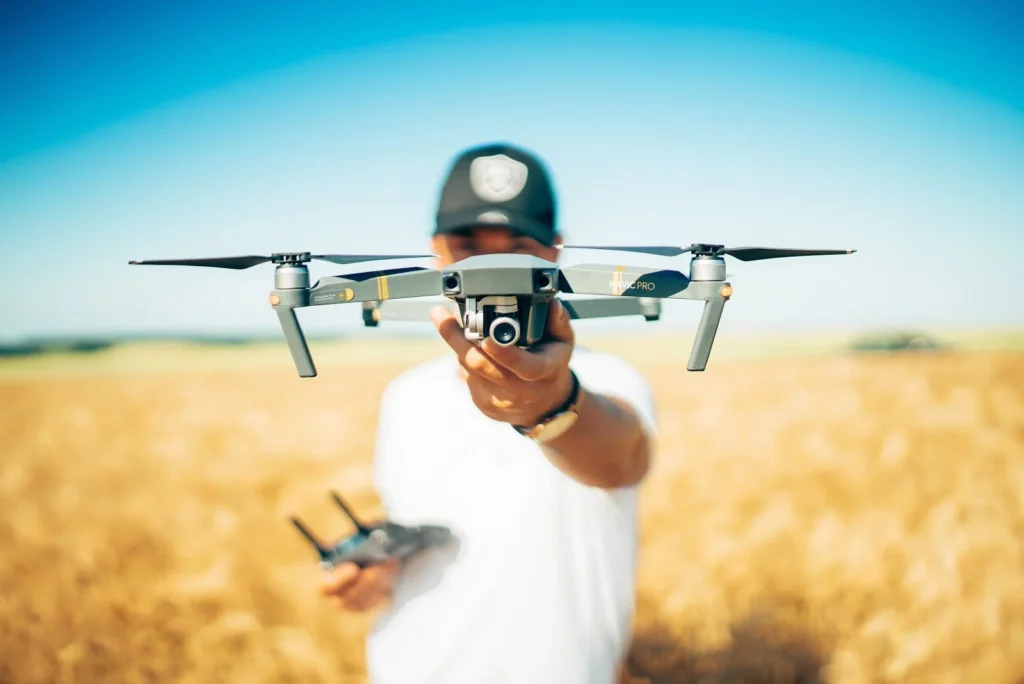
Drone photography has transformed the way we capture landscapes, buildings, and commercial spaces. With the right techniques, aerial images can look professional, cinematic, and visually powerful. However, simply flying a drone does not guarantee great photos. Understanding the fundamentals is essential. These drone photography tips will help you consistently achieve high-quality results, whether you are a beginner or refining your skills.
One of the most important drone photography tips is learning how your drone’s camera works. Always shoot in manual or pro mode when possible. This gives you full control over ISO, shutter speed, and white balance. Keeping ISO low reduces noise, while adjusting shutter speed helps manage exposure in bright or low-light conditions. Shooting in RAW format preserves more detail and allows better post-processing without losing quality.
Successful aerial images start with planning. Before flying, study the location, identify focal points, and check weather conditions. Wind, fog, and harsh sunlight can affect image quality. Planning your flight path helps you avoid rushed movements and unnecessary battery use. One of the most practical drone photography tips is to fly during calm conditions, especially when capturing architecture or real estate projects.
Lighting can make or break an aerial photograph. Early morning and late afternoon, known as golden hour, offer soft shadows and warm tones. Midday sun often creates harsh highlights and flat images. Using natural light creatively is one of the most effective drone photography tips for achieving depth and texture. Cloudy days can also be useful for evenly lit commercial or property shots.
Strong composition separates average photos from exceptional ones. Use leading lines such as roads, pathways, or building edges to guide the viewer’s eye. Top-down shots, diagonal angles, and slightly tilted perspectives add visual interest. Among essential drone photography tips, experimenting with height and angle is key. Small altitude changes can dramatically improve framing and balance.
Stability is crucial for sharp images. Avoid sudden movements or fast turns when positioning your drone. Use tripod or cinematic flight modes if available. Hovering steadily before capturing a photo helps reduce motion blur. Smooth control is often overlooked, yet it remains one of the most valuable drone photography tips for clean, professional-looking results.
Adding foreground elements such as rooftops, trees, or structures creates depth and scale. This technique works especially well in architectural and real estate photography. Including a foreground subject helps the viewer understand size and perspective. Creative framing is one of the smartest drone photography tips to make aerial photos more engaging and immersive.
Post-processing enhances quality but should never overpower the image. Adjust exposure, contrast, highlights, and shadows carefully. Sharpen details subtly and maintain natural colors. Over-editing can make aerial photos look artificial. One of the most professional drone photography tips is to keep edits realistic while enhancing clarity and visual impact.
Flying responsibly protects both people and equipment. Always follow local drone laws, respect privacy, and avoid restricted areas. Safe flying ensures uninterrupted shoots and protects your professional reputation. Responsible operation may not seem creative, but it is one of the most important drone photography tips for long-term success.
Mastering aerial visuals takes more than advanced equipment. By applying these drone photography tips, you can capture high-quality images that stand out in commercial, architectural, and real estate projects. From camera settings and lighting to composition and post-processing, each step contributes to professional results. With patience, planning, and practice, drone photography can become a powerful visual tool for storytelling and branding.
Manual settings with low ISO, balanced shutter speed, and RAW format deliver better image quality.
Early morning or late afternoon provides softer lighting and better shadows.
Use leading lines, vary altitude, and experiment with angles for stronger visuals.
Yes, light editing enhances clarity and exposure while keeping images natural.
Absolutely. Learning fundamentals early helps beginners achieve better results faster.