

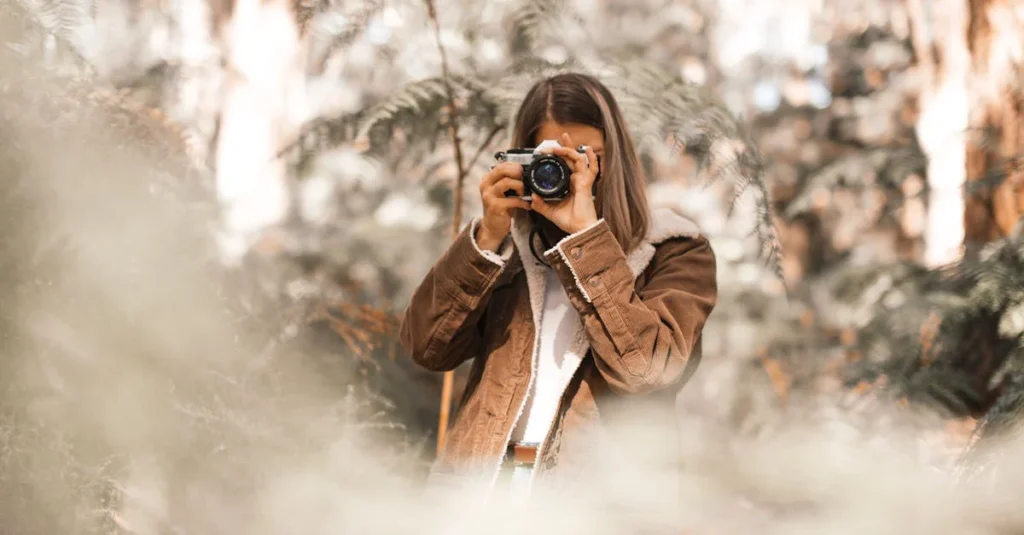
Becoming a photographer is more than owning a good camera. If you are serious about learning how to become a professional photographer, you need the right skills, mindset, and a clear career path. Professional photography is a blend of creativity, technical knowledge, and consistent practice. This guide walks you through every essential step to build a successful photography career.
Before starting, it is important to understand what separates hobbyists from professionals. A professional photographer delivers consistent quality, understands lighting and composition, meets client expectations, and treats photography as a business. Learning how to become a professional photographer begins with developing discipline, reliability, and a strong visual style.
Every professional photographer starts with mastering the basics. Focus on understanding exposure, shutter speed, aperture, ISO, composition, and lighting. These fundamentals allow you to control your camera instead of relying on automatic modes.
Spend time practicing in different lighting conditions and environments. Study how light interacts with spaces, textures, and subjects. Strong fundamentals are the foundation of anyone serious about becoming a professional photographer.
You do not need the most expensive gear to start, but reliable equipment is important. Invest in a good camera body, versatile lenses, a sturdy tripod, and basic lighting tools. As you grow, you can upgrade based on your photography niche.
Understanding your equipment deeply is more important than owning many tools. Knowing how to become a professional photographer includes learning how to use your gear efficiently to achieve consistent results.
Professional photographers often specialize. Popular niches include architectural photography, interior photography, real estate photography, commercial photography, and editorial work. Choosing a niche helps you build expertise and attract the right clients.
Work on projects related to your chosen niche and study professionals in that field. Specialization makes it easier to position yourself as a trusted professional photographer.
Your portfolio is your most powerful marketing tool. It should showcase your best work and reflect the type of photography services you want to offer. Focus on quality over quantity.
Include well-lit, well-composed images that demonstrate your skills and consistency. Anyone searching for how to become a professional photographer must understand that a strong portfolio matters more than years of experience.
Professional photography does not end after clicking the shutter. Editing plays a key role in delivering polished images. Learn how to use photo editing software to adjust exposure, color balance, contrast, and sharpness.
Maintain a natural look and avoid over-editing. Clean and consistent editing enhances your professional identity.
To truly succeed, you must think beyond creativity. Learn basic pricing, client communication, contracts, and delivery timelines. Set realistic rates based on your skills and market.
Understanding how to become a professional photographer also means building trust, meeting deadlines, and maintaining professionalism in every project.
Photography trends, tools, and styles evolve constantly. Stay updated by studying new techniques, analyzing your work, and learning from feedback. Practice regularly and refine your visual style.
Continuous improvement is what separates long-term professionals from beginners.
Learning how to become a professional photographer is a journey that requires patience, dedication, and consistent effort. Focus on mastering the fundamentals, building a strong portfolio, and developing a professional mindset. With time, practice, and passion, photography can become a rewarding and successful career.
It depends on practice and dedication, but most photographers take one to three years to reach professional level.
No, practical experience and a strong portfolio matter more than formal education.
Yes, photography can be a rewarding career if you specialize and build consistent skills.
Any modern DSLR or mirrorless camera with manual controls is a good starting point.
Yes, skill and creativity are more important than expensive equipment.